Describe what is in front of you
Record a broad working title, material group, storage zone, handling note and review priority without forcing a definitive identification.
Explore Object PassportCareful records. Quietly offline. Build working object notes, review storage, prepare a handover and explore responsible collection-care prompts—without an account or publisher cloud.
Each drawer supports a particular moment in small-collection work. Entries are working notes for your own review—not official catalogue, legal or conservation records.
Record a broad working title, material group, storage zone, handling note and review priority without forcing a definitive identification.
Explore Object PassportUse Not reviewed, Watch or Stable for Surface, Structure, Environment, Handling and Documentation.
See Condition SweepArrange local working codes across twelve bays. No GPS, addresses, barcode scans or public inventory.
Open Shelf Map notesWalk through Before, Route, Handoff and Arrival checkpoints using a simple destination nickname.
Review movement boundariesCreate a private agenda, choose a review focus and preserve a concise session summary for later attention.
Study Review TableForty-six cards span materials, observation, storage, movement, continuity and interpretation.
Visit collection-care guideSeparate routine observation from unstable, contaminated, hazardous, restricted or specialist situations.
Read safety boundariesNo login, advertising, analytics or publisher cloud. Reset and user-initiated export remain under device-user control.
Read all 18 policy sections
Start with visible facts. Separate what you can see from what you think the object may mean.

Support, spacing, light and access can matter together.
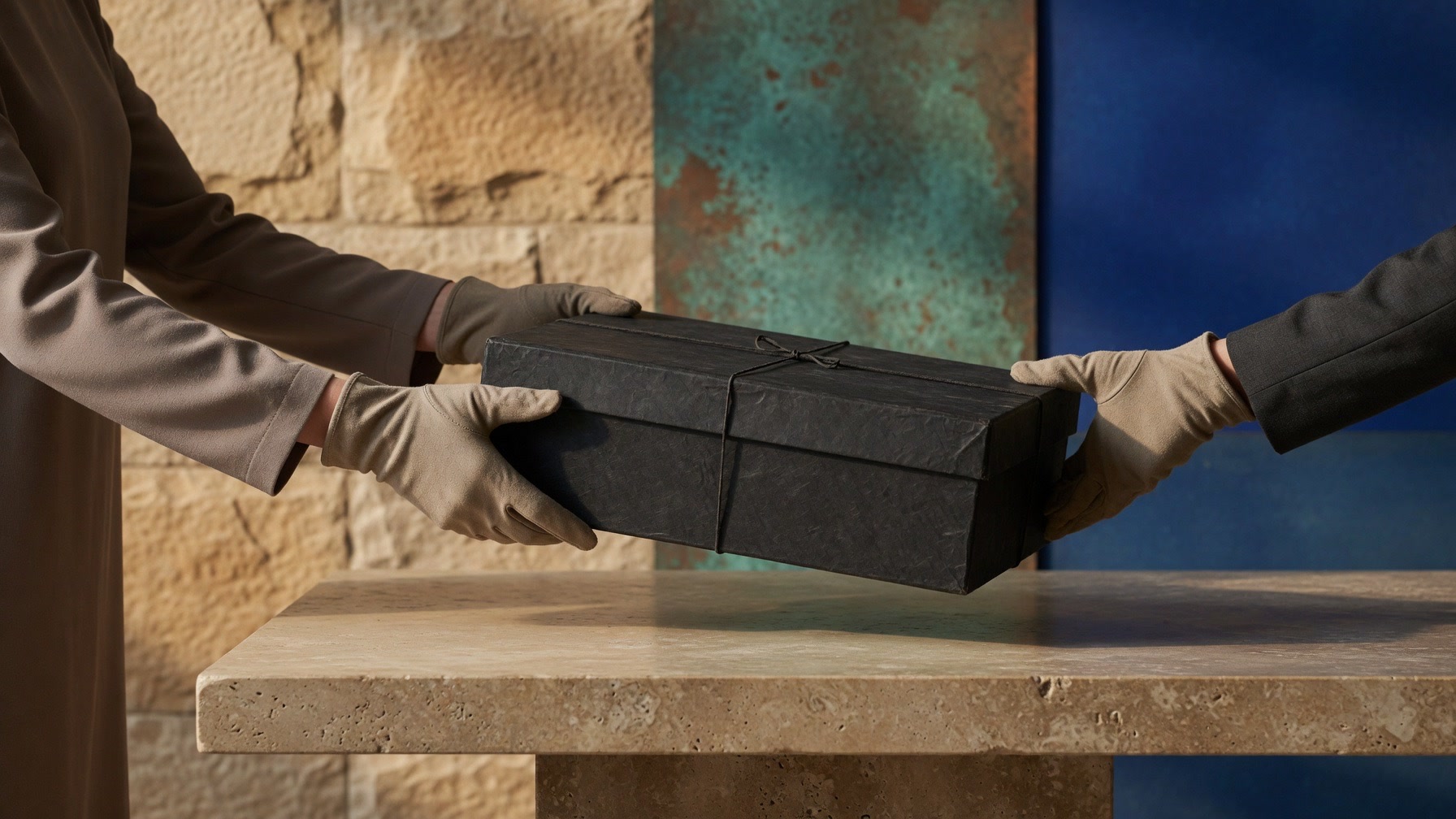
Make uncertainty visible so another reviewer can continue thoughtfully.

Pause for support, a clear route, shared understanding and a deliberate arrival check.
Archive Lantern is intentionally modest. It supports local organisation and careful reflection while leaving legal, cultural, conservation and safety decisions with the people and professionals qualified to make them.

The app points to public resources from The National Archives, the Library of Congress and the Canadian Conservation Institute. Links are offered for further reading only and do not imply affiliation, endorsement or certification.