Notice what may be present
Broad material groups can guide cautious handling questions without asserting an exact composition.
The app's educational prompts encourage preventive thinking and careful documentation. They do not provide treatment recipes, professional assessments or guarantees.
Broad material groups can guide cautious handling questions without asserting an exact composition.
Light, surface, edges and attachments can be observed without touching, cleaning or diagnosing.
Think across enclosures, spacing, orientation, access and environmental stability.
Support, route, people and arrival conditions deserve attention as one sequence.
Working identifiers, version notes and handover questions help later review without overstating certainty.
Description, access and context may require consultation, community protocols or specialist knowledge.

Begin with a safe view. Do not clean, repair, open or sample an object because a study card suggests a question.
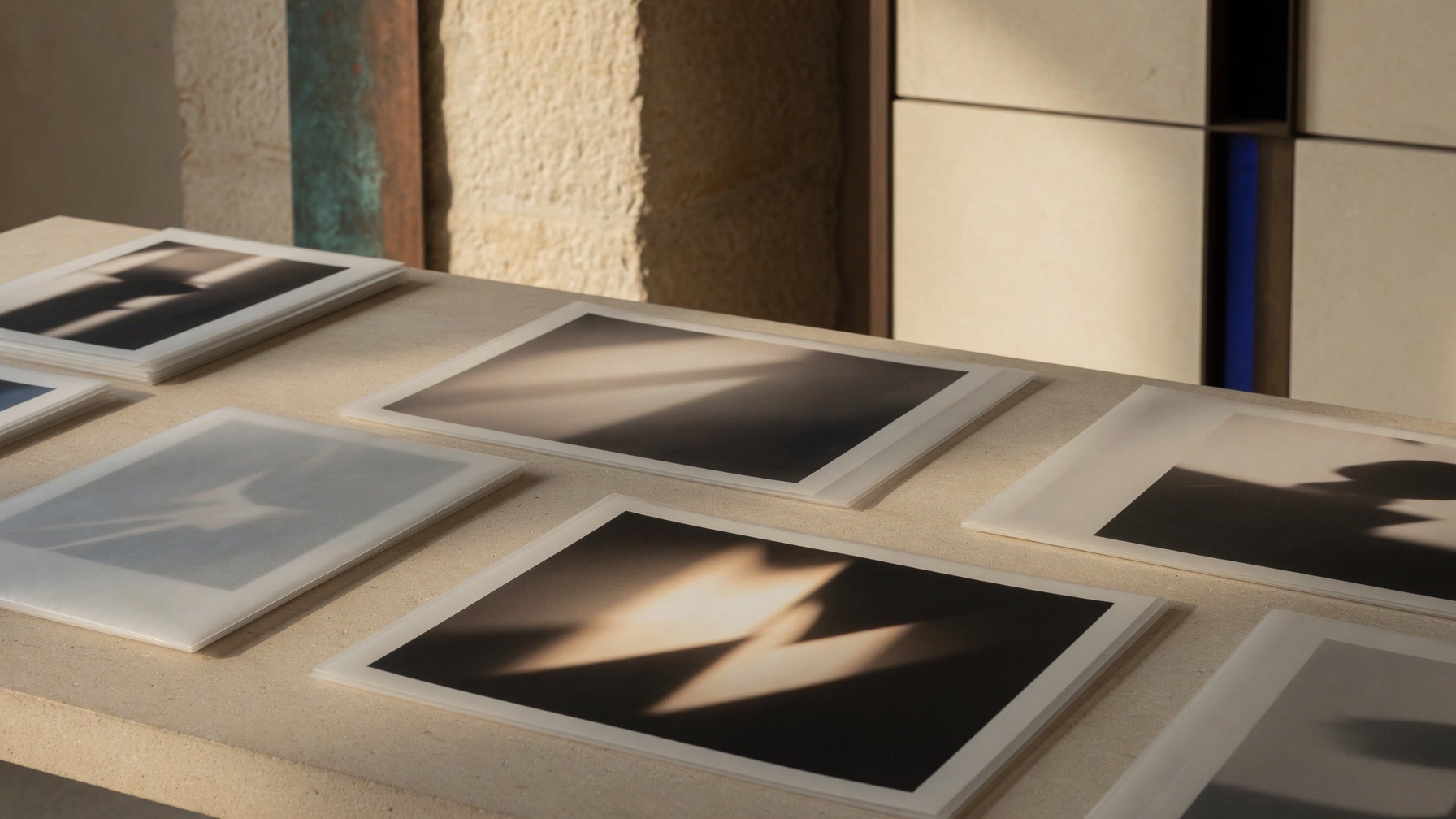
An enclosure, a shelf, room conditions, access frequency and neighbouring materials can interact.
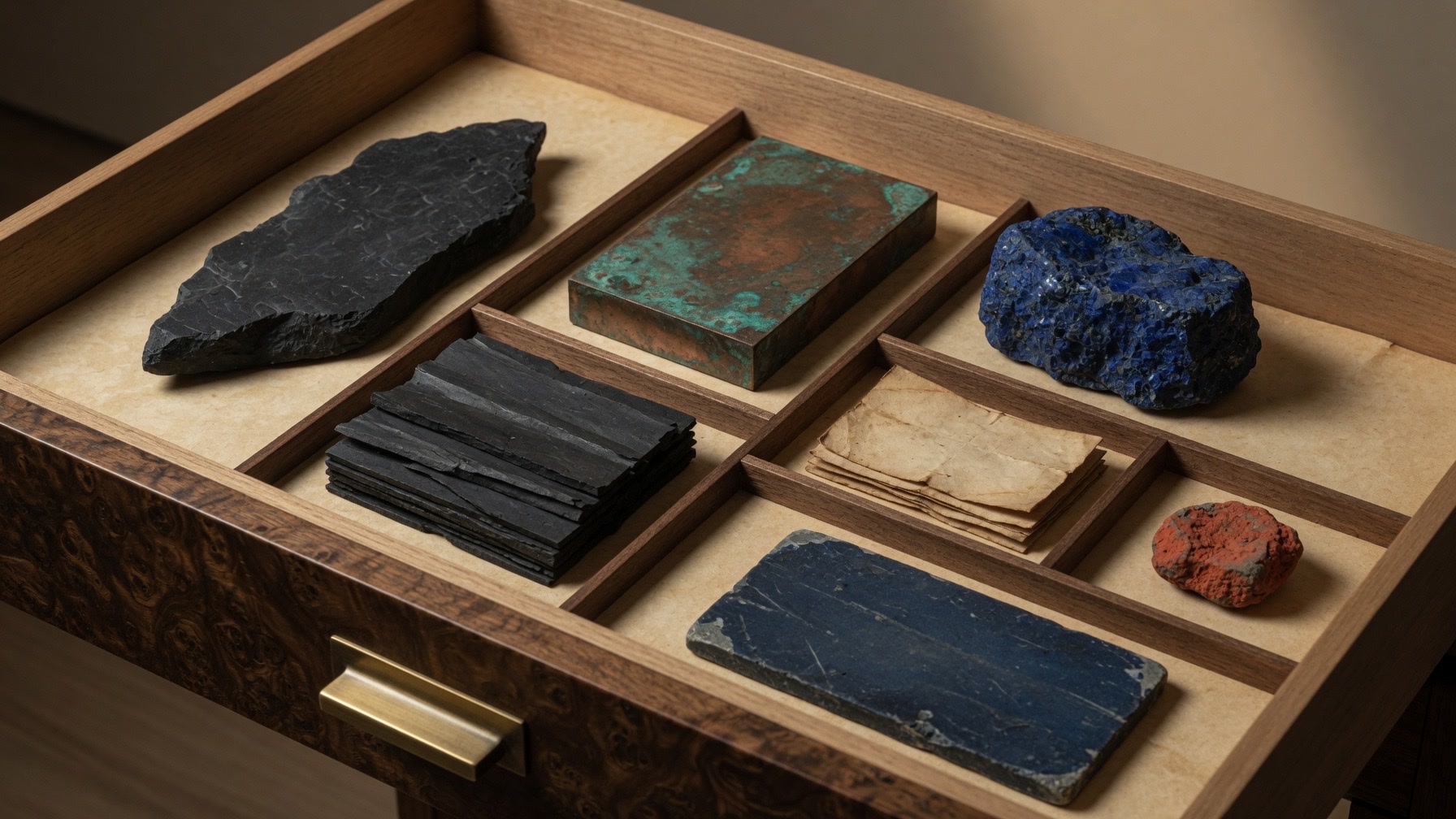
A suitable support and calm destination matter as much as the movement itself.
Uncertainty can be preserved rather than replaced by a convenient story.
Know why you are looking and what decision, if any, the observation should support.
Use adequate space and light. Do not proceed when material is unstable, hazardous or beyond your training.
Prefer location, extent and appearance over a confident cause or diagnosis.
Mark open questions, differing accounts, missing context and any restriction that affects access.
That step may be no action, monitoring, consultation or referral to a qualified professional.
Archive Lantern does not teach chemical cleaning, mould remediation, pest treatment, repair, flattening, structural lifting, hazardous-material handling or emergency response. If a situation calls for those actions, stop and use an appropriately qualified professional and the collection's established procedures.

The Source Shelf links to current public guidance from national preservation institutions. These resources are independent, may change over time and should be read in full on their official sites.
Inclusion does not imply affiliation, endorsement, approval, certification or a professional relationship.